You know that moment when you stand in the grocery aisle staring at cooking oils like they personally offended you? Yeah, same. I’ve asked myself is vegetable oil bad for you more times than I can count, especially while running food cost numbers for a small food brand. This question pops up everywhere, and honestly, the answers online range from sensible to full tin-foil-hat energy. So let’s talk like normal humans and figure this out together.
Why This Question Even Exists
People didn’t wake up one day and randomly panic about oil. The debate started because nutrition advice keeps changing, and businesses like mine feel the whiplash first.
When customers start asking questions, we listen. When sales dip because of ingredient fear, we pay attention. Vegetable oil didn’t suddenly change, but public perception definitely did. Ever notice how one headline can flip an entire industry overnight?
What People Actually Mean by “Vegetable Oil”
Not All Oils Come From Vegetables (Surprise)
This part trips people up. Most bottles labeled “vegetable oil” contain a blend of soybean, corn, or canola oil. None of these come from broccoli, FYI.
Manufacturers choose these oils because they offer:
- Low cost at scale
- Neutral flavor
- High smoke points
- Long shelf life
From a business standpoint, these traits matter. Restaurants and food brands don’t choose oils based on vibes. They choose them based on consistency and margins.
So, Is Vegetable Oil Bad for You?
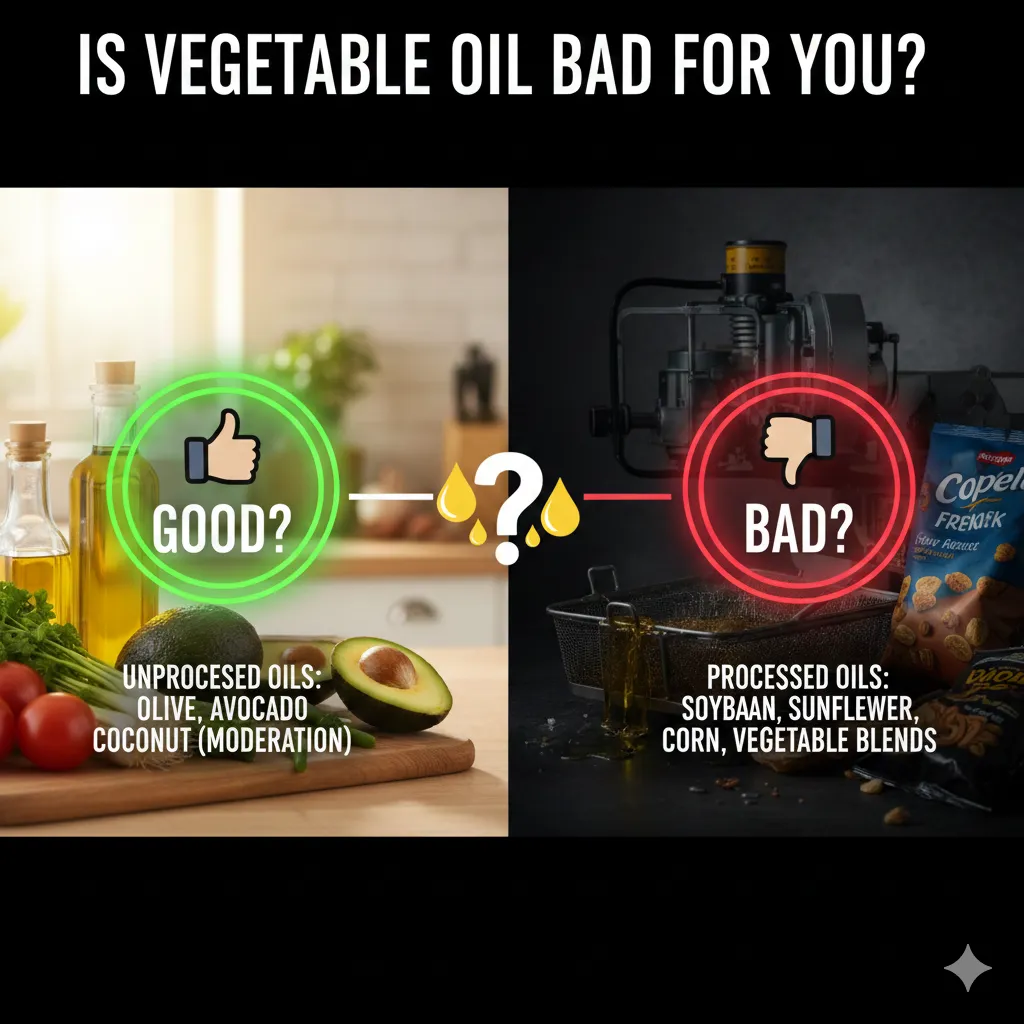
Let’s address it head-on: is vegetable oil bad for you depends on context, not fear-based headlines. Quantity, processing, and overall diet matter more than the oil itself.
I’ve watched brands remove vegetable oil just to replace it with equally processed alternatives. That move looks great on marketing copy but changes nothing nutritionally. Ever wondered why ingredient swaps don’t always improve health outcomes?
The Processing Problem Nobody Explains Well
How Refining Changes the Game
Processing sits at the center of most concerns. Companies extract vegetable oils using heat and solvents, then refine them for stability and taste.
That process:
- Removes impurities
- Improves shelf life
- Creates consistency
But it also strips antioxidants and micronutrients. From a business lens, refinement solves logistical problems. From a health lens, refinement removes some benefits. That tradeoff explains why people keep asking is vegetable oil bad for you in the first place.
Omega-6 Fatty Acids: The Real Debate
Omega-6 fats exist in vegetable oils, and your body needs them. The issue starts when diets overload omega-6 and ignore omega-3.
Problems show up when:
- People rely on fried and ultra-processed foods
- Omega-3 intake stays low
- Total fat intake spikes
Vegetable oil didn’t cause this imbalance alone. Modern eating habits did. IMO, blaming one ingredient misses the bigger picture.
How Vegetable Oil Behaves in Real Kitchens
Business Reality vs Wellness Ideals
In commercial kitchens, vegetable oil performs reliably. It handles high heat, keeps flavors stable, and costs less than premium oils. I’ve tested alternatives at scale, and spoiler alert: many fail under pressure.
That said, home kitchens play by different rules. You don’t need industrial stability for a Tuesday night stir-fry. This difference explains why chefs and wellness influencers rarely agree.
Vegetable Oil vs Other Popular Oils
Here’s a clear comparison that skips the drama:
| Oil Type | Smoke Point | Processing Level | Flavor | Best Use |
|---|---|---|---|---|
| Vegetable Oil | High | Highly refined | Neutral | Frying, baking |
| Olive Oil | Medium | Lightly refined | Rich | Sautéing, dressings |
| Avocado Oil | High | Moderately refined | Mild | High-heat cooking |
| Coconut Oil | Medium | Refined/unrefined | Strong | Baking, flavor |
Notice how no oil wins everything. Context always decides.
The Inflammation Claim Explained Simply
People often ask whether vegetable oil causes inflammation. The honest answer stays nuanced.
Inflammation increases when:
- Diets overload processed foods
- Omega-6 dominates omega-3
- Calories exceed needs long-term
Vegetable oil contributes when used excessively, not magically. That distinction matters when evaluating whether is vegetable oil bad for you reflects reality or exaggeration.
What Happens When Brands Remove Vegetable Oil
I’ve watched brands swap vegetable oil for trendier fats and then quietly raise prices. Ingredients don’t exist in isolation; they affect supply chains, shelf life, and waste.
Sometimes removal improves perception more than nutrition. Customers feel better, sales improve, and nothing else changes. That reality doesn’t make headlines, but it drives decisions.
Common Myths That Refuse to Die
Let’s Clear These Up
- Vegetable oil isn’t toxic
- Moderation still matters
- Whole diets matter more than single ingredients
People love villains, and vegetable oil fits the role nicely. But nutrition rarely works like a superhero movie.
Practical Advice Without the Noise
If you cook at home, mix your fats. Use olive oil for low heat, avocado oil for higher heat, and limit deep frying. If you eat out often, focus on balance, not paranoia.
Obsessing over one ingredient won’t save a poor diet. Smart choices compound over time.
FAQ’s
1. Is vegetable oil worse than butter?
Butter contains saturated fat, while vegetable oil contains polyunsaturated fat. Each behaves differently in the body. Balance beats extremes every time.
2. Should I completely avoid vegetable oil?
No. Avoiding excess matters more than avoidance itself. Quantity shapes outcomes more than labels.
3. Does vegetable oil cause weight gain?
Calories cause weight gain, not specific oils. Overconsumption drives the issue, regardless of fat source.
Final Thoughts: Keep Perspective
So, is vegetable oil bad for you? Not automatically, not universally, and definitely not alone. Diet quality, cooking habits, and lifestyle choices matter far more than demonizing one oil.
From a business angle and a human one, I’ve learned this: nutrition thrives on balance, not fear. Next time someone panics in the oil aisle, you’ll know exactly what to say.