I’ll be honest right out of the gate. The first time someone asked me about the low histamine diet, I assumed it was another “Internet wellness trend” that would vanish faster than last year’s detox tea craze. Then customers kept coming back with the same complaints, the same food triggers, and the same frustration. That repetition got my attention fast. Ever noticed how patterns tell the real story?
I run a wellness-focused business, so I don’t get the luxury of ignoring what people actually struggle with. When something keeps affecting sleep, skin, digestion, and mood all at once, I pay attention. That’s exactly where this conversation starts.
What This Diet Actually Tries to Do
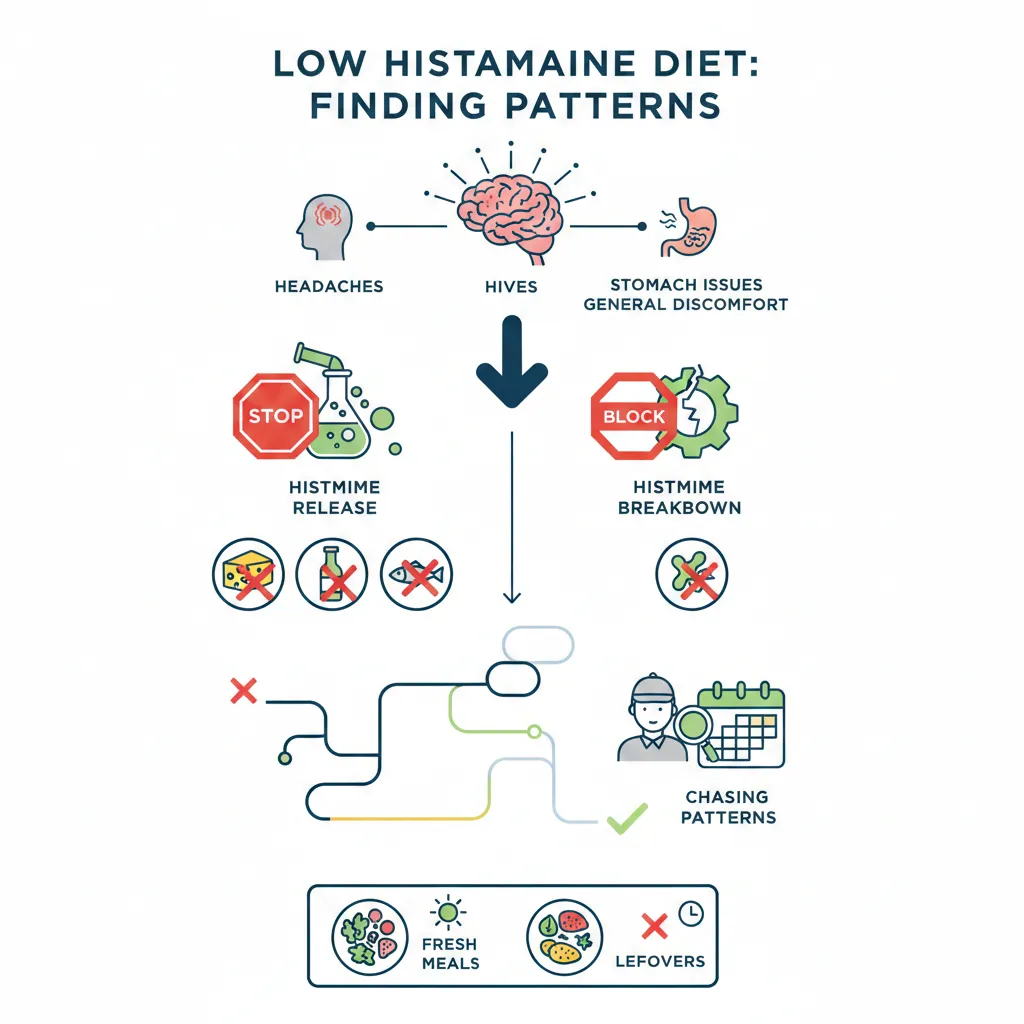
Let’s clear the fog first. People don’t follow this plan because it sounds fun. They follow it because histamine overload makes daily life miserable. Think headaches, hives, stomach issues, and that weird “something feels off” sensation you can’t explain at dinner.
A low histamine diet focuses on reducing foods that trigger histamine release or block histamine breakdown. Simple goal, complicated execution. Why? Because histamine hides in places you’d never expect. FYI, leftovers can cause more issues than fresh meals, which feels unfair but stays true.
From a business standpoint, I see this diet work best when people stop chasing perfection and start chasing patterns. Does that sound familiar?
Why Histamine Sensitivity Sneaks Up on People
It’s Not Just About Allergies
Most folks assume histamine equals allergies. That assumption causes confusion. Histamine intolerance works differently, and your body struggles to break down histamine efficiently.
Common reasons include:
- Low DAO enzyme activity
- Gut imbalance
- Chronic stress
- Certain medications
IMO, stress acts like gasoline on a campfire here. I’ve watched customers eat “safe foods” and still react because stress hijacks digestion. Annoying? Yes. Surprising? Not really.
Why Symptoms Feel Random
Histamine reactions don’t always show up immediately. You eat lunch, feel fine, then question your life choices at midnight. Ever wonder why food logs matter so much? Timing tells the story.
Foods That Usually Play Nice
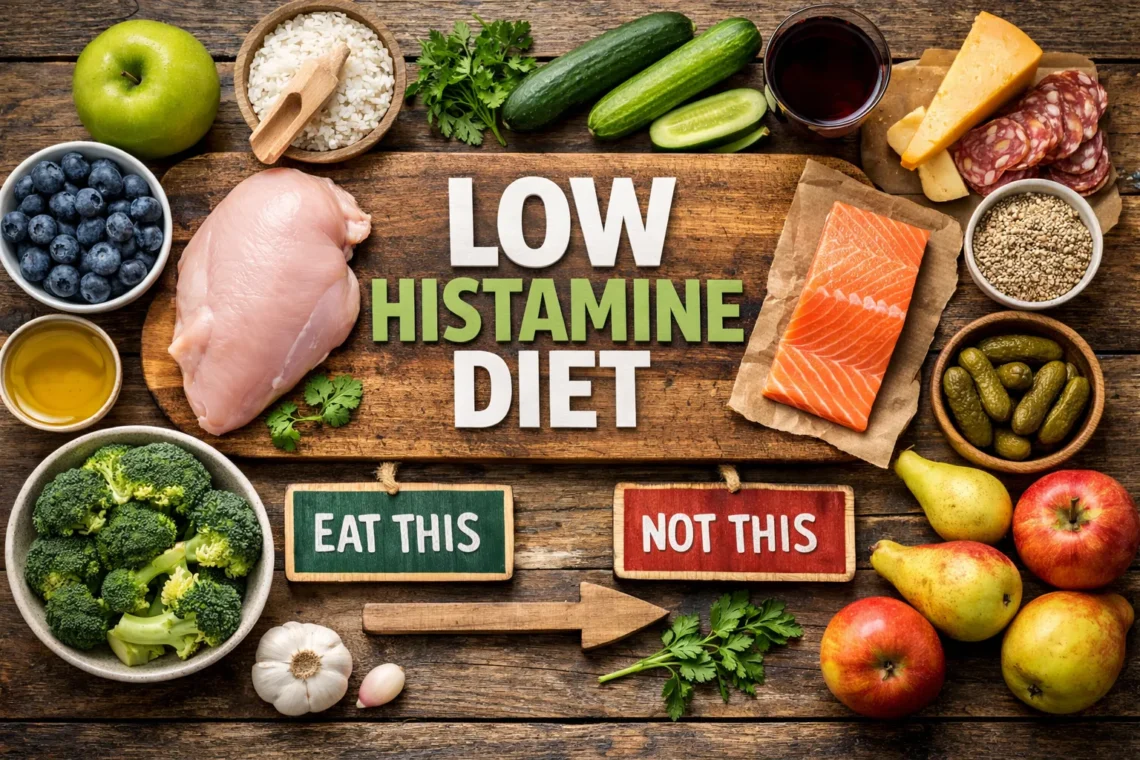
Now for the practical part everyone wants. When people start a low histamine diet, I guide them toward fresh, simple, and boring foods. Boring wins here, sadly.
Generally Well-Tolerated Options
- Freshly cooked meat and poultry
- Fresh fish eaten immediately
- Rice, quinoa, oats
- Most fresh vegetables
- Apples, pears, blueberries
Notice the word fresh keeps showing up. That’s not an accident. Histamine builds as food ages, even in your fridge. Yes, your leftovers hold grudges.
From a business perspective, customers who prep daily portions see fewer reactions. Convenience fights success here.
Foods That Love Causing Trouble
I wish I could sugarcoat this section, but honesty works better. Many “healthy” foods cause issues on a low histamine diet, and that reality frustrates people fast.
Common High-Histamine Offenders
- Aged cheeses
- Fermented foods
- Alcohol
- Cured or smoked meats
- Tomatoes and spinach
This list sparks arguments every time. “But kombucha helped my gut!” Sure, until it didn’t. Bodies don’t vote unanimously.
I always tell customers to test, don’t trust. Your body runs the final audit.
Fresh vs Aged: Why Time Matters So Much
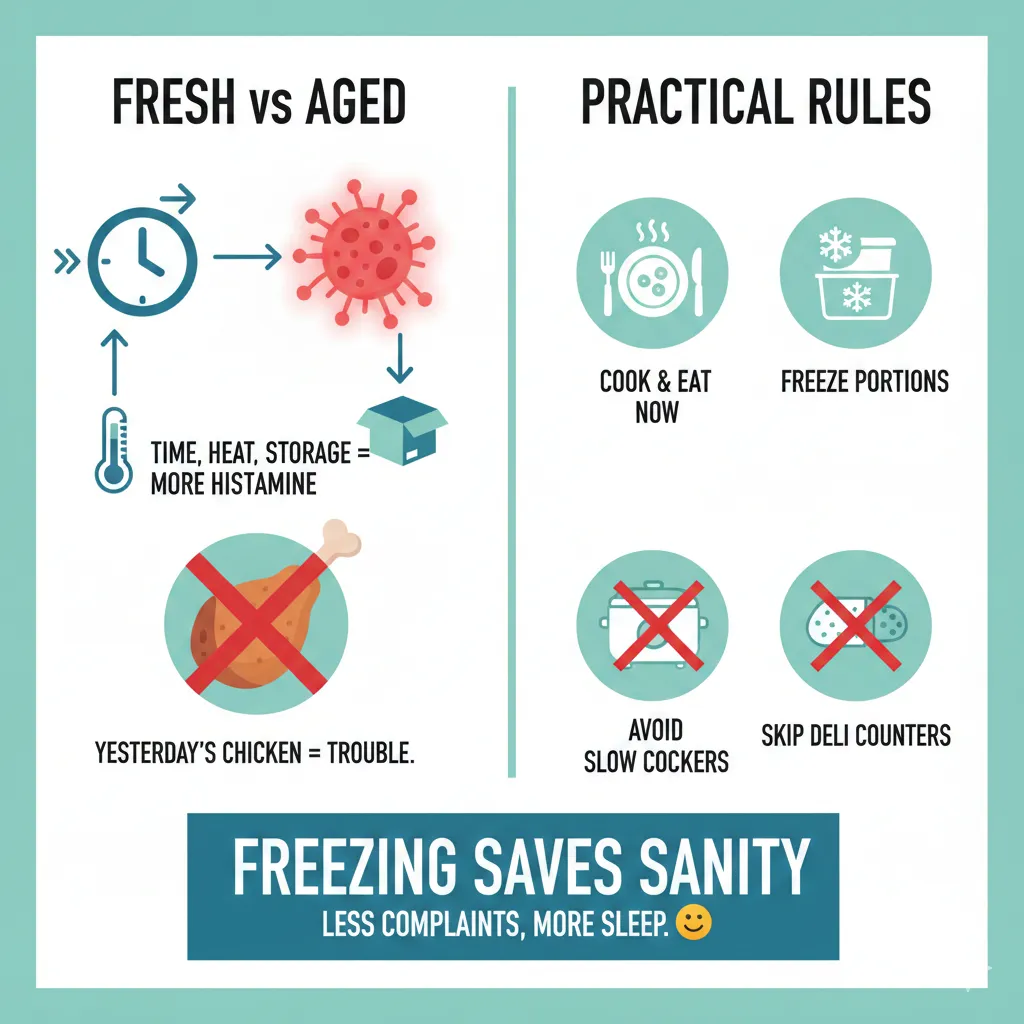
Histamine increases as bacteria break down proteins. That process speeds up with time, heat, and storage. Translation? Yesterday’s chicken might betray you today.
Practical Rules That Actually Help
- Cook and eat food immediately
- Freeze portions right after cooking
- Avoid slow cookers for now
- Skip deli counters entirely
From experience, freezing saves sanity. People who embrace freezing meals complain less and sleep more. Coincidence? I doubt it.
A Simple Comparison Table That Clears Confusion
Here’s a quick-reference table I often share with customers who feel overwhelmed at grocery stores.
| Food Category | Better Choice | Risky Choice |
|---|---|---|
| Protein | Fresh chicken, turkey | Cured meats |
| Dairy | Fresh milk | Aged cheese |
| Vegetables | Zucchini, carrots | Spinach, tomatoes |
| Fruits | Apples, pears | Citrus fruits |
| Drinks | Water, herbal tea | Alcohol |
This table doesn’t promise perfection. It offers direction, which matters more.
Eating Out Without Losing Your Mind
Let’s be realistic. You won’t cook every meal forever. I advise people on a low histamine diet to eat strategically, not fearfully.
Restaurant Survival Tips
- Order freshly grilled items
- Avoid sauces and marinades
- Ask for plain food (yes, really)
- Skip leftovers entirely
I’ve seen customers regain confidence just by ordering smarter. Social life matters too, right? Who wants to explain histamine biology at every dinner table?
Supplements and Support: Worth It or Hype?
I’ll stay blunt here. Supplements help some people and do nothing for others. DAO supplements, vitamin C, and quercetin show promise, but food choices matter more.
From a business lens, customers who rely only on supplements rarely improve long-term. Customers who clean up food timing and freshness usually do. Supplements should support, not rescue.
Ever noticed how boring consistency beats flashy shortcuts every time?
Common Questions I Hear Almost Daily
1. How long should someone follow this approach?
Most people notice changes within 2–4 weeks. I suggest reassessing symptoms rather than counting calendar days.
2. Can someone reintroduce foods later?
Yes, and they should. The goal involves tolerance building, not lifelong restriction.
3. Does stress really make symptoms worse?
Absolutely. Stress triggers histamine release directly. Ignoring stress management sabotages progress.
These answers come from real conversations, not theory.
Mistakes That Slow Progress
People mean well, but they trip over the same things repeatedly.
Watch Out for These Pitfalls
- Eating leftovers
- Over-restricting foods
- Ignoring sleep
- Blaming one “bad food”
I’ve watched customers spiral into food fear, and that never helps. Balance beats obsession every time.
Why This Diet Feels Hard at First (And Easier Later)
The early phase feels restrictive because habits resist change. Once routines settle, the low histamine diet feels more like structured freedom than punishment.
People tell me they stop reacting constantly, stop guessing, and stop feeling betrayed by meals. That relief matters.
And yes, it gets easier once your body calms down. Promise.
Final Thoughts Before You Go
If you take one thing from this article, remember this: patterns matter more than perfection. The low histamine diet works best when people listen closely, eat fresh, and stop chasing magic fixes.
From a business standpoint, I trust what customers repeat back to me after weeks of real-life testing. Less reacting. Better sleep. Clearer heads. That outcome beats hype every time.