You notice a weird rash. It tingles, it burns, and it definitely doesn’t look friendly. Then the panic hits, and you Google what does shingles look like faster than you’d check a cricket score. I get it. From a health-content business point of view, shingles ranks high on the “people freak out fast” list, and honestly, I don’t blame them. Let’s talk about it like normal humans, not medical robots.
I’ve worked on health blogs long enough to know one thing: people don’t just want definitions. They want clarity, reassurance, and a straight answer without scary jargon.
The Short Answer Everyone Wants
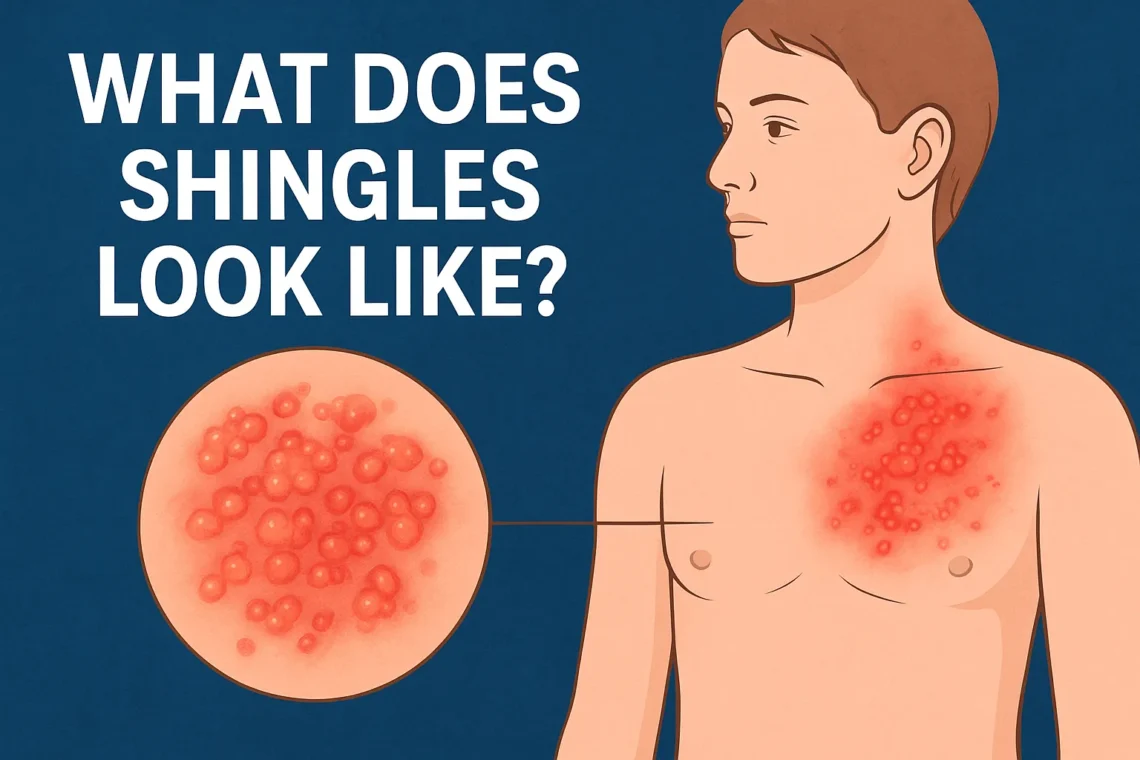
Shingles usually shows up as a painful, blistering rash that sticks to one side of your body. It often wraps around the torso, but it can also appear on the face, neck, or back. The rash looks angry, clustered, and very much uninvited.
Sounds simple, right? Not so fast. The details matter, especially if you want to know whether you should worry or just watch it for a bit.
Early Signs Before the Rash Shows Up
The Sneaky Phase Nobody Talks About
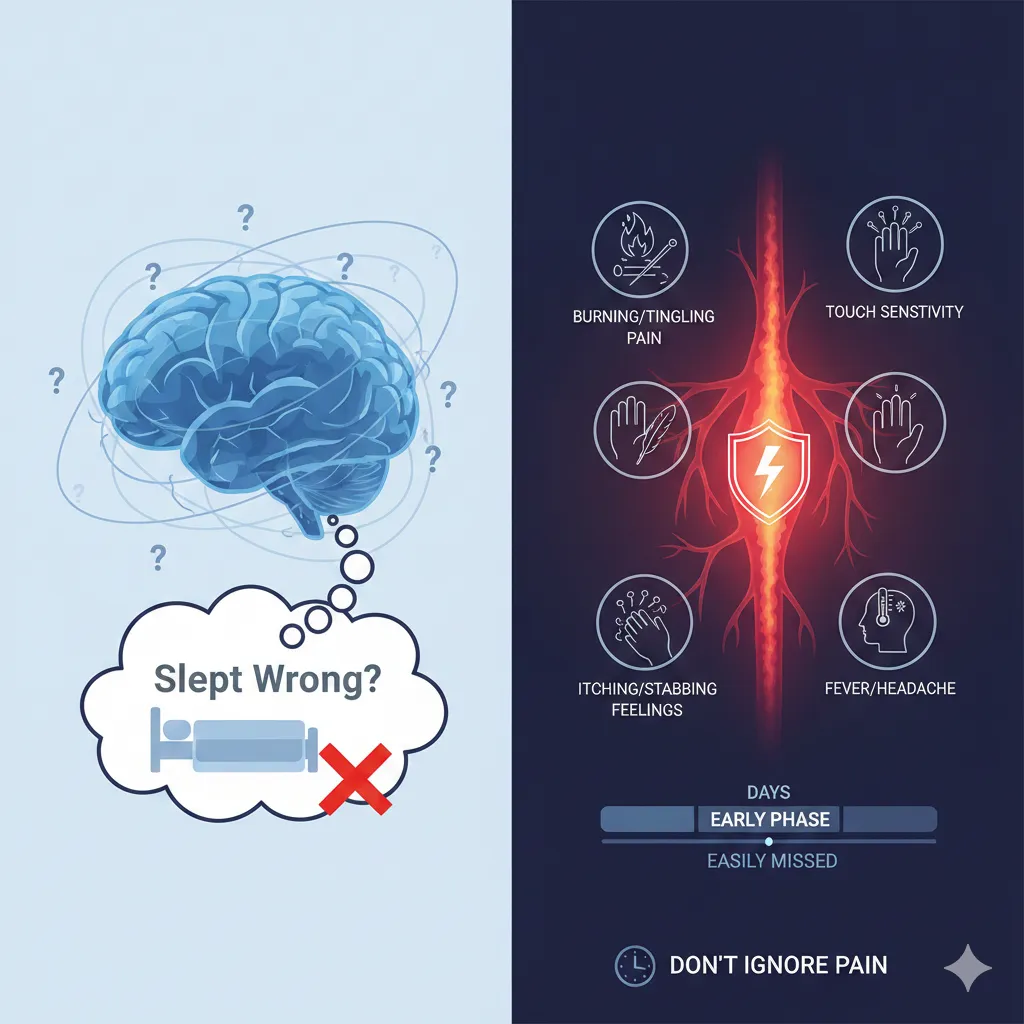
Before you ever see a rash, shingles loves to mess with you mentally. People often feel symptoms and think, “Nah, I just slept wrong.” Famous last thoughts.
You might notice:
- Burning or tingling pain in one area
- Sensitivity to touch, even from clothing
- Itching or stabbing sensations that feel deep
- Mild fever or headache
FYI, this phase can last a few days. Many people miss it completely. Have you ever ignored pain because life felt busy? Yeah, same here.
What the Shingles Rash Actually Looks Like
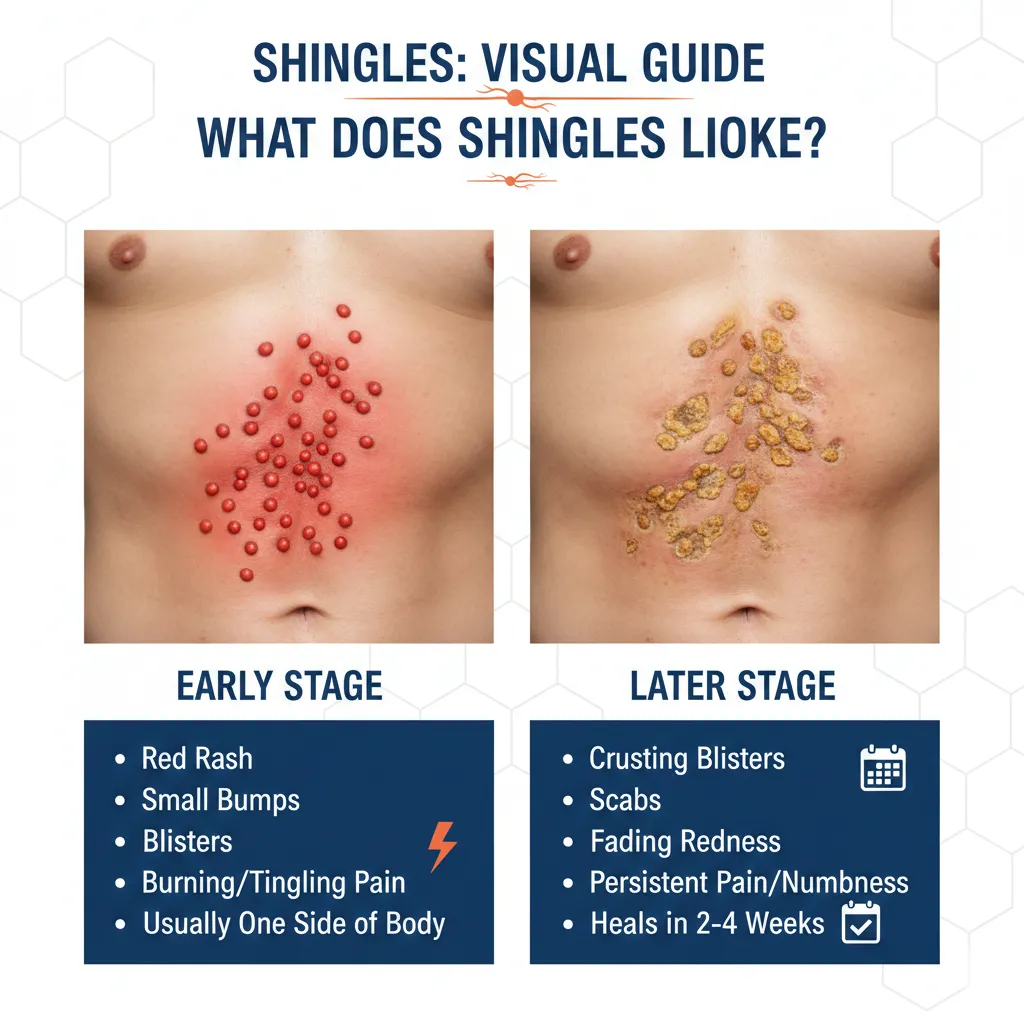
Here’s the part that answers what does shingles look like in a way that actually helps.
Stage 1: Red and Angry Skin
The skin turns red, inflamed, and irritated, almost like a sunburn that hates you personally. The redness stays localized and doesn’t jump around randomly.
Stage 2: Fluid-Filled Blisters
Small blisters appear in clusters. These blisters:
- Look similar to chickenpox
- Contain clear fluid
- Feel painful, not just itchy
This stage makes most people finally say, “Okay, something’s wrong.”
Stage 3: Crusting and Healing
After about 7–10 days:
- Blisters burst and leak
- Scabs form over them
- Skin slowly starts healing
Healing can take 2 to 4 weeks, depending on age and immunity.
The One-Side Rule (Very Important)
Shingles usually affects only one side of the body. This rule helps doctors spot it quickly.
You might see the rash:
- On the right or left side of the torso
- Across the rib cage
- Around the waist or back
- On one side of the face or eye
If a rash crosses the body’s midline, shingles becomes less likely. IMO, this detail saves people from unnecessary panic.
What Does Shingles Look Like on Different Body Parts?
On the Torso
This area shows the classic “belt-like” pattern. People often mistake it for muscle strain at first.
On the Face
Facial shingles look scary. The rash may appear near:
- The eye
- The forehead
- The scalp
Eye involvement needs immediate medical care, no drama here.
On the Back or Neck
These cases feel extremely painful because clothing constantly rubs the rash. Yes, it’s as annoying as it sounds.
A Quick Visual Comparison Table
| Feature | Shingles | Allergic Rash | Heat Rash |
|---|---|---|---|
| Pain Level | High, burning pain | Mild itching | Mild discomfort |
| Blisters | Yes, fluid-filled | Rare | Tiny bumps |
| One-Sided | Almost always | No | No |
| Duration | 2–4 weeks | Days | Days |
| Cause | Reactivated virus | Reaction | Sweat |
This table alone answers what does shingles look like better than ten vague descriptions.
Why Shingles Looks the Way It Does
Shingles comes from the varicella-zoster virus, the same virus that causes chickenpox. After chickenpox, the virus stays dormant in nerve tissue.
Years later, stress, illness, or age can wake it up. When it travels along nerves, the rash follows that nerve path. That’s why shingles looks so oddly specific and painful.
Ever wondered why pain shows up before the rash? Nerves fire first. Skin reacts later. Annoying but logical.
How Pain Changes the Look of Shingles
Pain changes everything here. Unlike most rashes, shingles doesn’t just sit on the surface.
People describe the pain as:
- Burning
- Electric
- Deep and aching
Sometimes the pain sticks around even after the rash fades. Doctors call this postherpetic neuralgia, and yes, it sounds as unpleasant as it feels.
From a Health Business Perspective
Running health content sites taught me one thing fast: people search images because words fail them. Searches for what does shingles look like spike because fear drives curiosity.
Clear visuals, honest descriptions, and calm explanations build trust. Overhyping symptoms drives panic. Underplaying them delays treatment. Balance wins every time.
When You Should Take It Seriously
You should act fast if:
- The rash appears near the eye
- Pain feels severe or unbearable
- You have a weak immune system
- You’re over 50
Early treatment reduces complications. Waiting it out rarely helps here.
Common Myths That Confuse People
Let’s clear some nonsense:
- Shingles is not contagious like a cold
- You don’t catch shingles from others
- Stress alone doesn’t cause it, but it helps
People love myths. Doctors love facts.
FAQs
1. What does shingles look like at the very beginning?
Early shingles looks like red, sensitive skin with tingling or burning pain, often before blisters appear.
2. Can shingles look like a pimple or bite?
Early blisters may resemble pimples, but pain and one-sided clustering usually give shingles away.
3. How long does shingles take to heal?
Most cases heal in 2–4 weeks, but nerve pain can last longer in some people :/
Final Thoughts: Don’t Ignore the Signs
Shingles doesn’t whisper. It nags, burns, and demands attention. Knowing what does shingles look like helps you act early and avoid complications.
If something feels off and the rash looks suspicious, trust your instincts. Get medical advice sooner rather than later. Your future self will thank you for it.
And hey, next time you see a strange rash, maybe don’t Google at 3 a.m. Panic never helps, but good information always does.